Getting Started

Create and share an observation

Document aquatic-animal behaviour with a photo, video, sound recording or written observation.
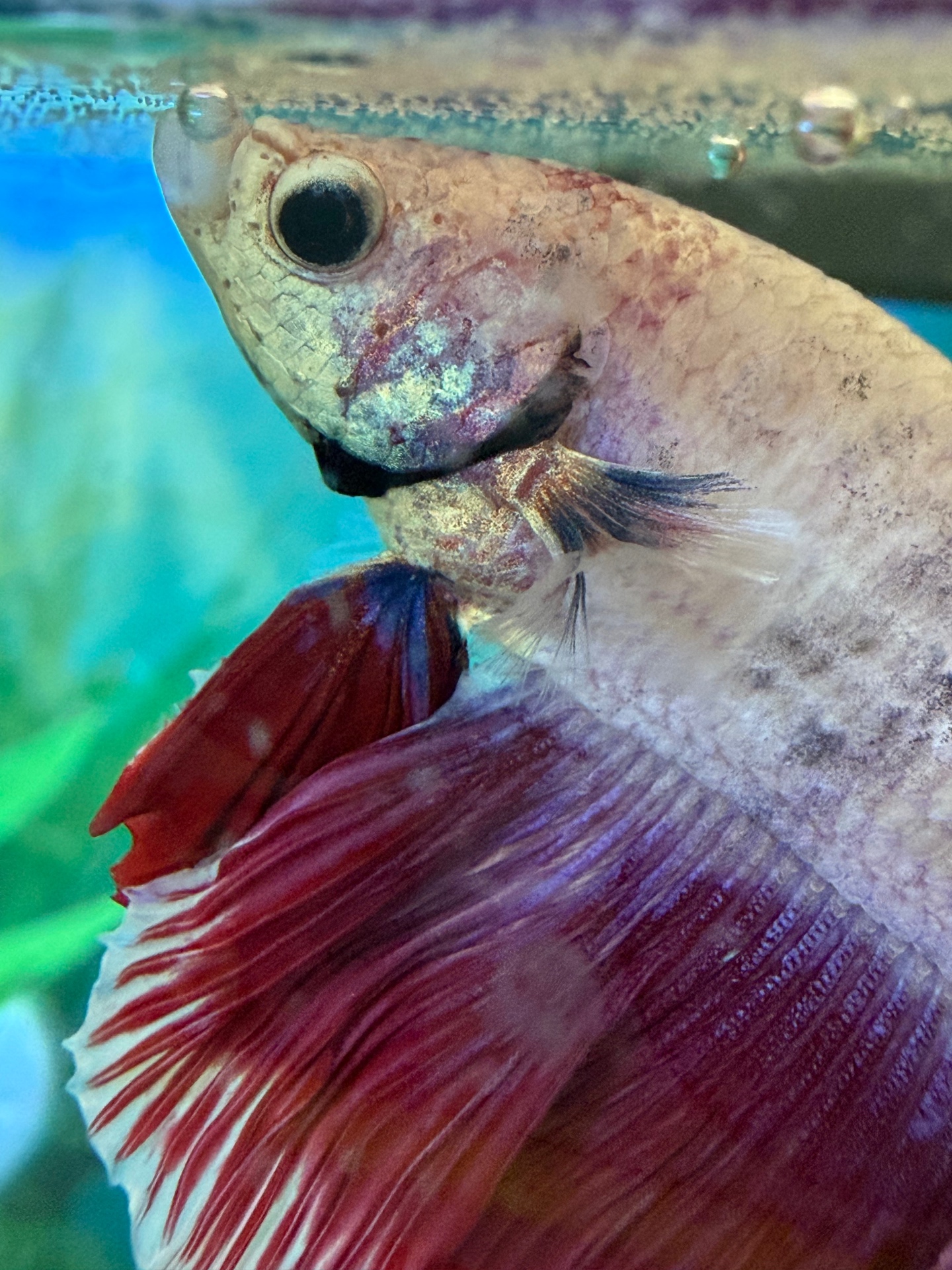
Close-up portrait of a Betta fish near the water surface, illustrating a spontaneous aquarium observation.
CHOOSE YOUR PROJECT

Two projects, one simple workflow.

For Betta fish

BettaCoda

Document Betta fish behaviour and possible sound communication.

Choose BettaCoda

For other aquatic species

AquaCoda

Document behaviour and communication in other fish and aquatic species.

Choose AquaCoda

AquaCoda is the main platform. BettaCoda is its flagship project dedicated to Betta fish.

How it works

Upload an observation in six steps.

  1. 1

    Choose the programme

    Select AquaCoda or BettaCoda.

  2. 2

    Add your media

    Upload a photo, video or sound recording, or create a written observation where supported.

  3. 3

    Describe the behaviour

    Add the species, date, title, short description and relevant behaviour information.

  4. 4

    Add useful context

    Include optional aquarium, environmental or scientific details.

  5. 5

    Choose how to share

    Keep the observation private, share it with Community or contribute it to Research.

  6. 6

    Review and publish

    Confirm the Animal Welfare Guidelines, check the preview and publish.
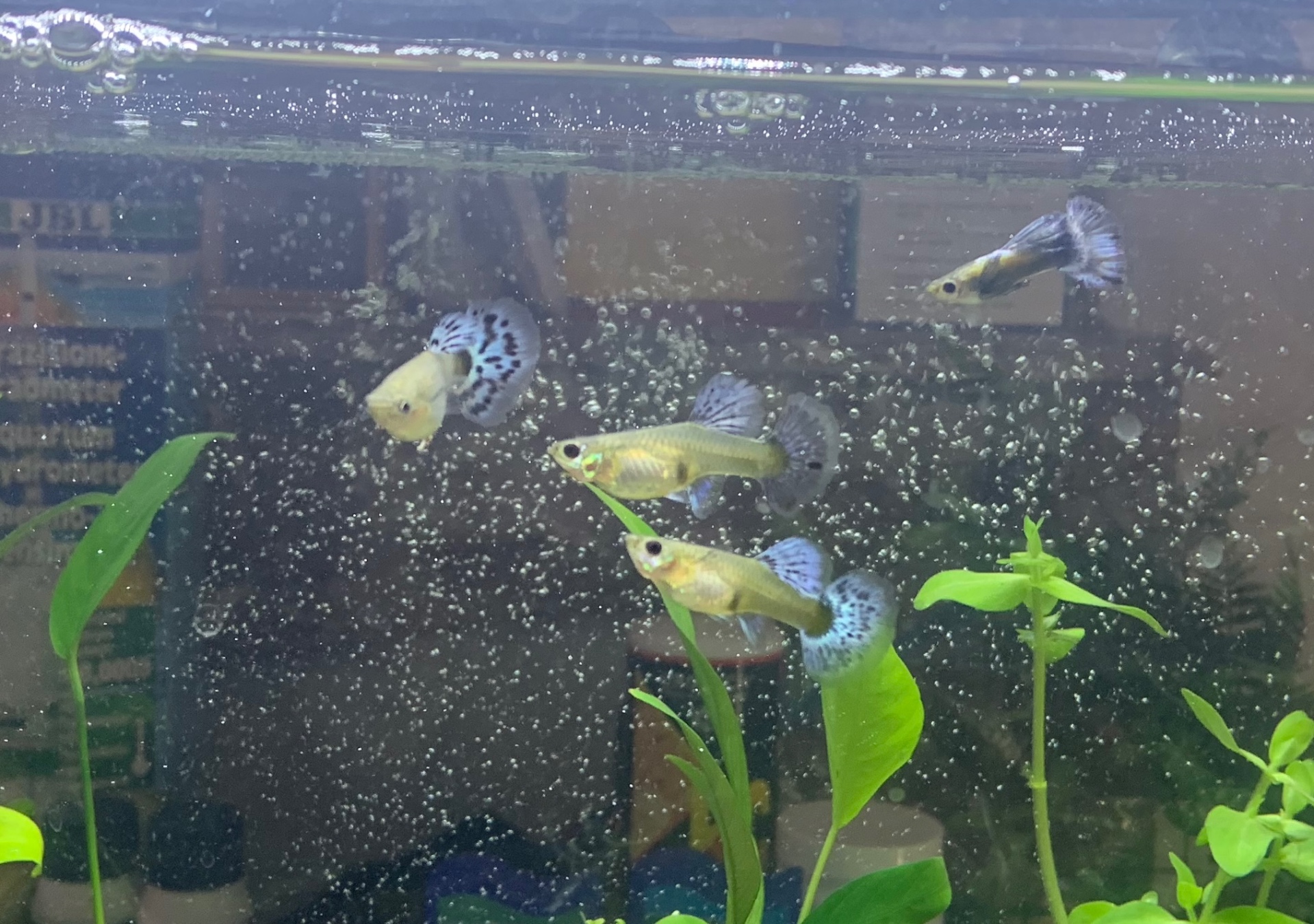
A group of guppies swimming in a planted aquarium, an example scene for recording an observation.

What can I use to record an observation?

A phone or camera is enough for most observations. A microphone is optional for sound recordings.

Citizen science

Why share an observation?

Shared observations help build citizen-science datasets of aquatic-animal behaviour and communication.

These datasets may support scientific research and the future development of AI-assisted tools for identifying and comparing behavioural and communication patterns.

Your observations help build the dataset.

Sharing

Three separate choices.

Private

Only you can see it.

Community

Share it publicly with the AquaCoda community.

Research

Allow it to contribute to the research dataset.

Community sharing and Research contribution are separate choices.

Welfare

Welfare comes first.

Record only spontaneous behaviour under normal husbandry conditions.

  • Do not provoke aggression or distress.
  • Do not use mirrors or forced encounters.
  • Keep essential aquarium equipment operating.
  • Stop recording if the fish shows signs of stress.
Read the Animal Welfare Guidelines
Responsible observation

A community of careful observers.

AquaCoda contributors document aquatic life without disturbing it. Every observation adds to a shared, welfare-first record of behaviour and communication.
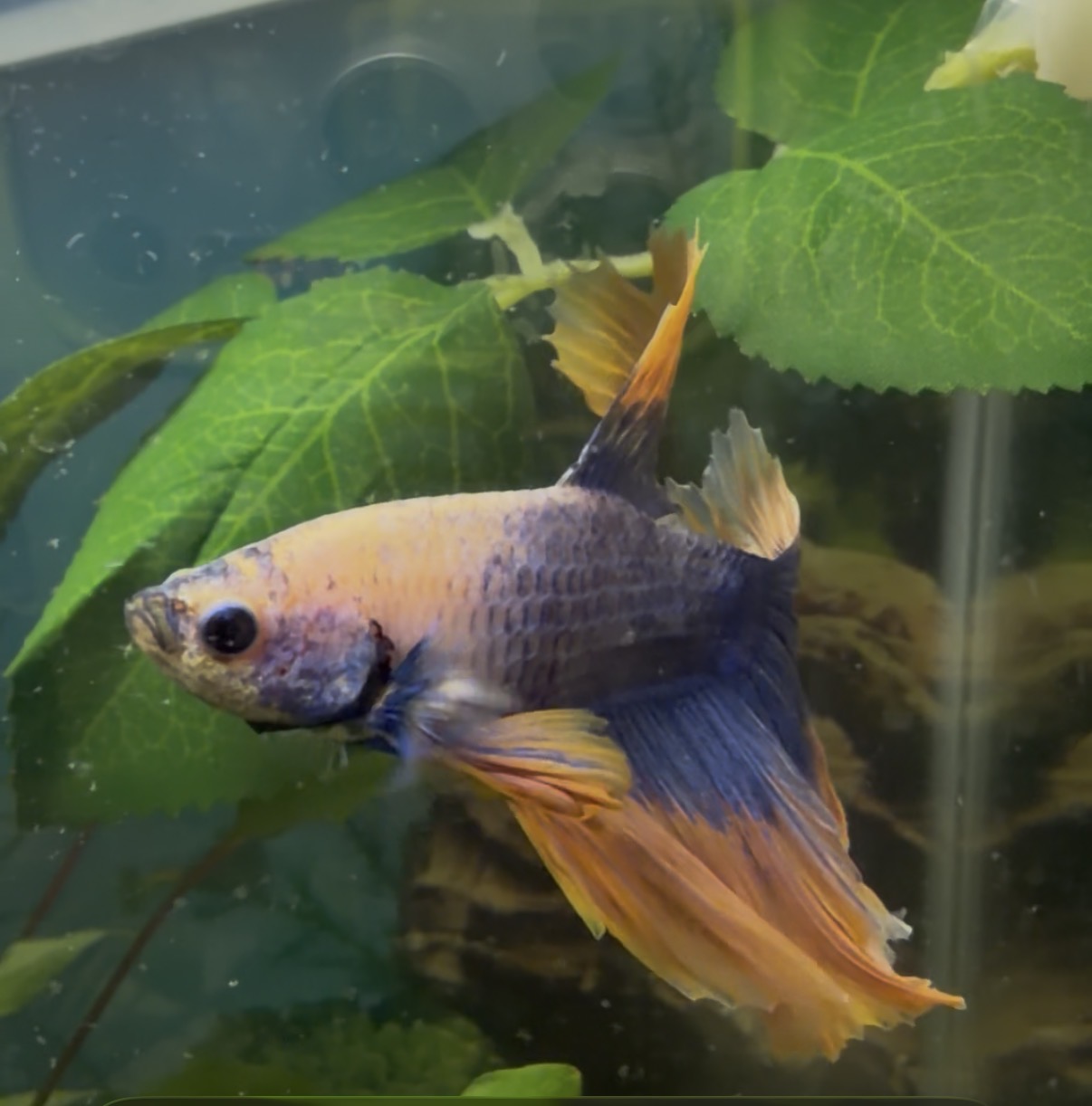
A calm Betta fish resting near aquarium plants, photographed as a spontaneous, welfare-first observation.
Examples

What these behaviours look like.

Helpful tips

Everything you need to know.

How to record a clear video
Use natural or normal aquarium lighting, hold the camera steady, and keep clips short (10–60 seconds). Avoid tapping the tank.
How to record sound
Use a phone or recorder close to the tank without touching it. Reduce background noise by recording during a quiet moment.
How behaviour labels work
Labels describe what the fish is doing, not what you think it means. Only spontaneous behaviour is accepted.
Observation versus Journal entry
The Journal is your private notebook for husbandry notes and ideas. Observations are structured records that can be shared with the Community or contributed to Research.
How privacy and Research choices work
Private observations stay with you. Community sharing is public within AquaCoda. Research contribution is a separate, revocable consent that includes your observation in the research dataset.

Ready to make your first observation?

Choose a programme, add your media and share what you discover.